Sleep environment · Materials · Allergy care
Latex Sleep Surfaces and Dust Mites: What to Know
Natural latex is often described as resistant to dust mites, a phrase that can sound like a promise of an allergen-free bed. The reality is more nuanced. Material properties matter, but so do humidity, bedding, cleaning habits and the way a mattress is covered. Here is how to read the claims—and build a calmer, cleaner sleep space without expecting one material to do all the work.
First, what are dust mites?
Dust mites are microscopic relatives of ticks and spiders that live in household environments. They are not bed bugs, and they do not bite. They feed largely on flakes of shed human and animal skin, which collect in soft furnishings and bedding. Mattresses, pillows, upholstered furniture and carpets can provide places where this material accumulates.
For people who are sensitized, the concern is generally not the mite itself but allergenic proteins associated with its waste and body fragments. These particles can become part of household dust. Exposure may contribute to symptoms such as sneezing, a runny or stuffy nose, itchy eyes or asthma symptoms in some people. The pattern varies: not everyone reacts, and symptoms can have many causes.
That distinction matters when considering a mattress. A sleep surface may be less hospitable to mites than another, but that does not mean the room is free of allergens, or that a particular material prevents allergy symptoms. “Resistant” is not the same as “proof,” “impermeable” or “allergen-proof.”
What does natural latex have to do with mites?
Natural latex is made from rubber-tree sap and is used in mattress cores and comfort layers. Its resilient, springy feel and ability to contour are among the reasons people choose it. Latex is also commonly described in bedding marketing as naturally resistant to dust mites. That wording usually refers to characteristics of the material or construction—not to a guarantee that mites cannot exist anywhere on the bed.
A mattress is not a laboratory sample in isolation. It is part of a lived-in bedroom: sheets are slept on, skin cells and lint collect, and moisture enters the environment through ordinary breathing and perspiration. The mattress cover, seams, surrounding floor, pillows and soft furnishings all influence what settles and persists. Even a material with properties that may be less favorable to mites cannot control every condition around it.
It is also useful to distinguish natural latex from broad claims about “hypoallergenic” products. Hypoallergenic is not a universal assurance that a product will cause no reaction, nor does it establish that the complete sleep environment is free of allergens. People can have sensitivities to a range of substances, and product construction varies. If you have a known latex allergy or a history of reactions, consult a qualified healthcare professional before choosing latex bedding.
In short, latex may be one consideration in a materials decision, but it is not a stand-alone dust-mite control plan. A more dependable approach combines suitable bedding barriers with routine care and attention to the room’s moisture and dust levels.
The bedroom is a system, not a single surface
It is tempting to focus on the mattress because it is the largest object in the bed. Yet dust-mite exposure is shaped by several parts of a bedroom, including bedding that is in regular contact with the sleeper. Sheets and pillowcases can be washed more frequently than a mattress, while an encasement can create a barrier around the mattress itself. Neither measure makes the room sterile; together, they can help make care more manageable.
Humidity deserves attention, too. Dust mites tend to do better in humid conditions, so controlling excess indoor moisture can be a useful part of an overall strategy. The right response depends on the home and climate: ventilation, addressing leaks, using exhaust fans and monitoring indoor humidity may all be relevant. Avoid treating a single humidity number as a substitute for professional advice or as a cure for allergy symptoms.
Soft furnishings and flooring also deserve a practical look. Heavy curtains, plush rugs and upholstered furniture can hold dust. That does not mean every bedroom needs to become stark or stripped of comfort. Instead, consider which items are easiest to clean, and whether dust is accumulating in places that are difficult to reach. A deliberate routine often works better than an ambitious but unsustainable deep-cleaning schedule.
For persistent or severe symptoms, especially breathing difficulties or worsening asthma, home-care steps should not replace medical assessment. An allergist or other qualified clinician can help identify possible triggers and discuss an appropriate plan.
Why a fitted encasement can be useful
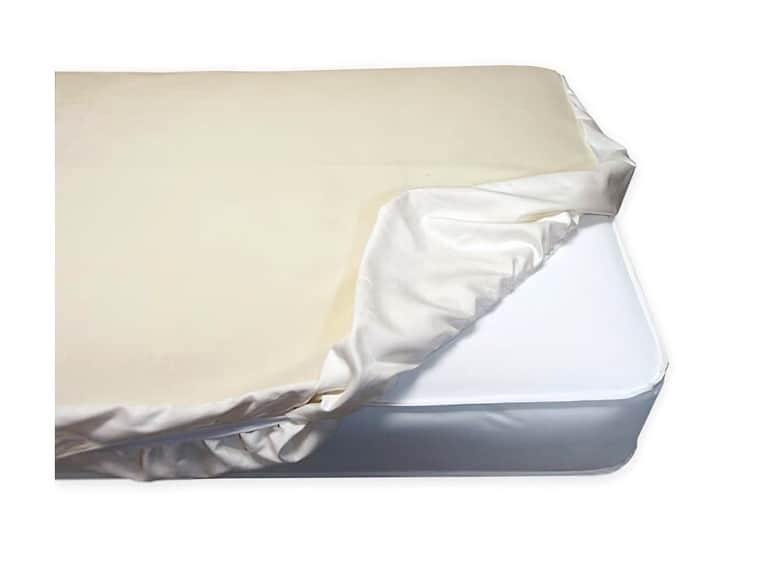
A mattress encasement is designed to surround the mattress, commonly with a zipper that closes around its sides. Its usefulness depends on construction, fit and condition. A well-fitted, intact encasement can reduce the movement of dust and allergen-containing particles between the mattress and the room, and it can help protect the mattress from spills and everyday soil. It is a barrier—not a promise that all exposure will disappear.
Before choosing one, check the product’s dimensions and depth range against your mattress. A cover that is too loose may shift; one that is too tight may strain seams or zippers. Follow its care label, and check periodically for damage. If the manufacturer specifies a particular washing method or drying temperature, use that guidance rather than improvising with bleach or high heat.
Encasements are not interchangeable with ordinary fitted mattress protectors. A protector typically covers the top and sides, while an encasement surrounds the mattress more completely. Both can serve practical purposes, but readers looking specifically for an enclosing barrier should confirm that the item is genuinely a zippered, full-mattress design.
There is no need to assume that a cover must be plastic-feeling or noisy. Materials and designs differ, and comfort matters: a barrier that disrupts sleep or is difficult to launder may be harder to use consistently. Read care instructions and construction details, and make the choice around your needs rather than a dramatic claim on a label.
A measured bedding-care routine
Consistency is the quiet luxury of allergen care. A manageable routine can limit the buildup of dust and skin flakes without turning bedtime into a housekeeping project. Start with the layers that are easiest to wash, then care for less washable components according to their labels.
- Wash sheets and pillowcases regularly. Use the laundering frequency and temperature that suit the fabric and any guidance from your healthcare professional. Care labels matter; not every textile tolerates the same heat.
- Use a washable barrier where appropriate. A fitted protector can guard against spills and soil, while a full encasement may be considered when a complete mattress enclosure is desired. Keep the barrier clean and intact.
- Clean with dust in mind. Damp dusting can help pick up particles rather than simply moving them around. Vacuum floors and upholstery as appropriate for the surface and equipment, and follow manufacturer instructions.
- Keep moisture under control. Address leaks and persistent condensation, ventilate where practical, and consider a humidity monitor if dampness is a recurring concern.
- Care for pillows and duvets by their labels. Some can be machine washed; others require specialized care. A removable, washable pillow protector can add a practical layer between the pillow and pillowcase.
- Make the routine realistic. A few repeatable tasks are more useful than an elaborate schedule that is abandoned after a week.
When someone in the household has a diagnosed allergy, ask their clinician whether specific laundering practices or additional measures are appropriate. Advice can differ depending on symptoms, age, other health conditions and the home environment.
Choosing a latex surface with clear eyes
If you are considering a natural latex mattress or topper, begin with the qualities you can evaluate directly: firmness, thickness, support, construction, certifications, care requirements and compatibility with your bed frame. Then treat claims about allergens as one part of the decision, not its central proof point.
Certifications can help clarify particular attributes—such as material sourcing or processing standards—but they should not be read as evidence that a product prevents dust-mite exposure or treats allergies. Look up what a certification covers, and distinguish a verified material claim from a health outcome claim. If the language is vague, ask the seller for specifics about what is certified and which components are included.
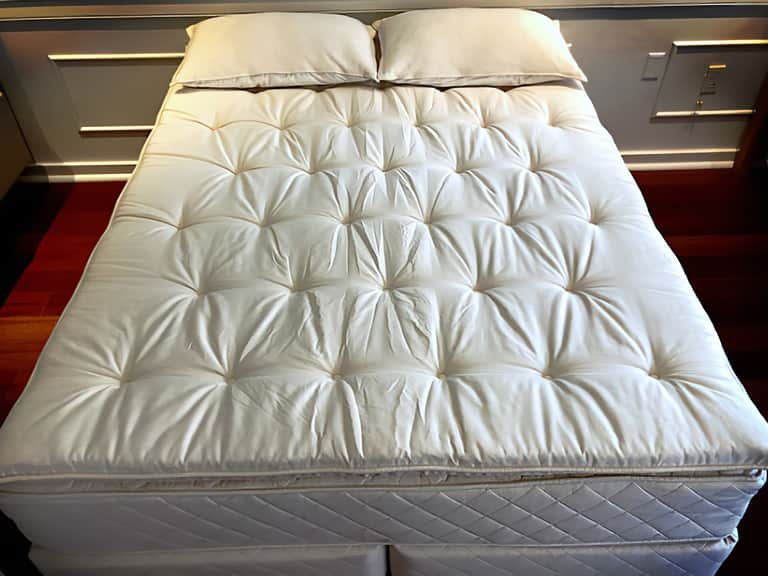
Latex layers are not always washable. Many mattress cores and toppers should not be soaked or placed in a washing machine; moisture can damage materials or prolong drying. Check care instructions before purchase and protect the surface with a suitable washable layer. For instance, the Naturally Organic Hudson Organic Mattress Topper combines an organic latex layer with wool and an organic cotton cover. Its product information describes the wool as dust-mite resistant and advises using a mattress protector; it also specifies spot cleaning rather than washing the topper. Those details illustrate why material claims and care instructions should be considered together, not as a substitute for a broader bedroom routine.
Fit is another practical detail. A topper can change the dimensions and feel of the bed, so check that fitted sheets and any mattress cover still sit securely. If you are using an encasement, confirm whether it is designed for the mattress alone or can accommodate the added height of a topper. A barrier that bunches or no longer closes properly may not serve its intended role.
Common claims, translated
Sleep-product language is often polished to a shine. A little translation can make it easier to separate useful information from overstatement.
- “Dust-mite resistant” describes a claimed resistance, not necessarily a complete barrier or a mite-free environment. Ask what property or testing supports the wording.
- “Hypoallergenic” is not a guarantee that no individual will react. It also does not, by itself, tell you how a product performs against dust-mite allergens.
- “Natural” or “organic” relates to materials or production claims, depending on the product and certification. It does not automatically mean allergen-proof, washable or suitable for every sleeper.
- “Easy care” should be checked against the actual label. A removable cover may be washable even when the core or topper is not.
A trustworthy decision comes from specific information: what a product is made of, how it is constructed, what claims have been tested, how it should be maintained, and what the wording does not promise.
A calmer approach to clean sleep
A clean sleep environment is less about perfection than thoughtful maintenance. Natural latex may be appealing for its feel and construction, and it is sometimes described as resistant to dust mites. But no mattress material can control every source of bedroom allergens. The more useful question is how the sleep surface fits into a whole-room plan.
Choose bedding that suits your comfort and care preferences. Use a well-fitting, washable cover or encasement where it makes sense. Keep up with routine laundering, reduce dust in ways that are practical for your home, and address excess humidity. If symptoms persist, seek medical guidance rather than relying on product language to explain or solve them.
The result need not look clinical. A restful bedroom can still be warm, layered and personal. The point is to make its materials and maintenance work quietly in the background—so the room feels considered, comfortable and easier to care for.